
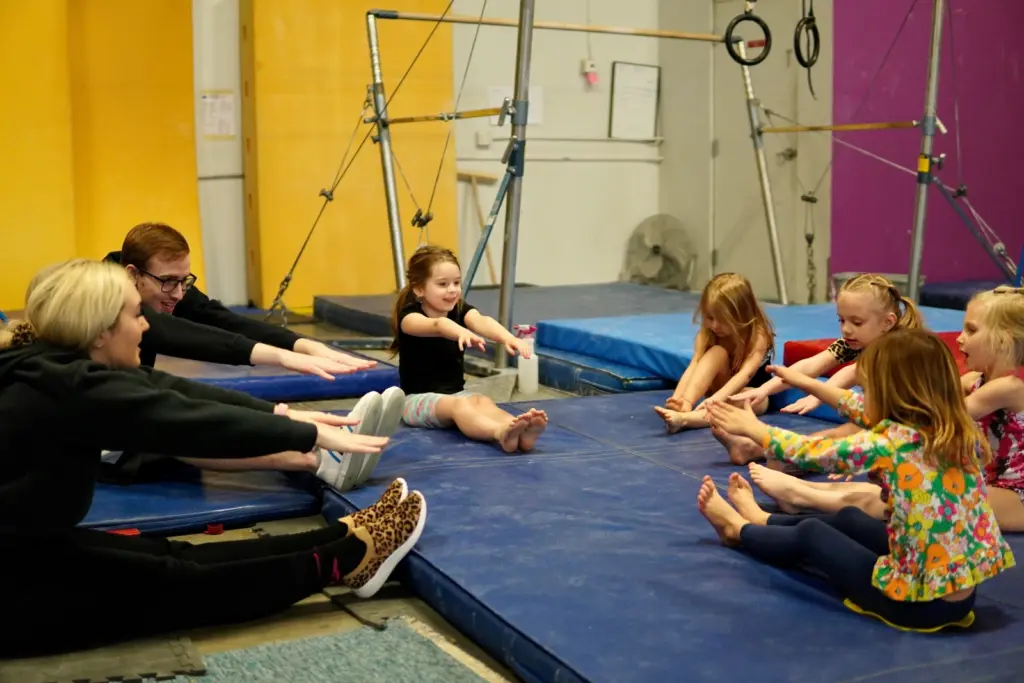
The Importance of Physical Education in Early Childhood Development
Physical education is often treated as a break from real learning, something squeezed in between academic subjects. In the early years, this view has it backwards. Movement is not a pause from development, it is one of the main ways young children develop.
From building strong muscles to shaping how a child concentrates in class, structured physical activity plays a far bigger role in early childhood development than most parents realise.
Why Physical Education Is Often Overlooked in Early Years
As academic expectations creep earlier, many preschools and parents shift attention toward letters, numbers, and early literacy, leaving movement-based learning as an afterthought.
Research in child development consistently shows the opposite approach works better. Physical activity in the early years directly supports the cognitive, social, and emotional skills that academic learning later depends on.
1. Builds Gross and Fine Motor Skills
Running, climbing, jumping, and balancing develop gross motor skills, the large muscle movements a child needs for everyday independence.
Activities like threading beads, throwing and catching, or building with blocks refine fine motor skills, which later support handwriting and precise, controlled movement.
2. Supports Cognitive Development
Physical movement and brain development are closely linked in early childhood. Activities that involve coordination, balance, and spatial awareness strengthen the same neural pathways used in early problem-solving and pattern recognition.
Games that combine movement with counting or following instructions, such as hopscotch or obstacle courses, give children a playful way to practise sequencing and memory.
3. Encourages Social Skills and Teamwork
Group physical activities introduce children to taking turns, following shared rules, and cooperating toward a common goal, often before they are ready to grasp these ideas in a purely verbal setting.
A simple relay race or a group game of catch teaches patience, fairness, and communication far more naturally than direct instruction alone.
4. Improves Focus and Classroom Behaviour
Children who get regular physical activity tend to settle into structured classroom tasks more easily afterward. Movement helps release excess energy and appears to support the attention and self-regulation skills needed to sit, listen, and follow instructions.
This is one reason many educators schedule active play sessions before, rather than after, quieter table-based activities.
5. Builds Healthy Lifelong Habits
Attitudes toward movement and activity often form earlier than expected. A child who experiences physical activity as enjoyable, rather than as a chore, is more likely to stay active later in life.
Early exposure to a variety of movement types, from dance to ball games to simple yoga, also helps children discover the kinds of activity they naturally enjoy.
6. Boosts Emotional Regulation
Physical activity gives young children a healthy outlet for big emotions, such as frustration or excess energy, that they cannot yet express well in words.
Consistent movement routines also help regulate mood and sleep, both of which have a direct effect on a child’s behaviour and readiness to learn.
Age Group | Recommended Activities | Key Benefit |
|---|---|---|
2-3 years | Free play, walking, simple ball games | Balance and basic coordination |
3-4 years | Climbing, running games, dancing | Gross motor strength and confidence |
4-5 years | Obstacle courses, group games, hopping | Coordination, teamwork, focus |
5-6 years | Structured sports basics, relay games | Rule-following and sustained attention |
Many top play schools in bangalore build a dedicated movement block into the daily schedule, recognising that active play is not separate from learning but a core part of how young children develop.
Similarly, several top nursery schools in bangalore design their outdoor spaces specifically to support age-appropriate physical challenges, from balance beams to soft-surface climbing structures, rather than treating outdoor time as unstructured free play alone.
Key Takeaways
- Physical education supports motor, cognitive, social, and emotional development together, not in isolation.
- Movement-based learning strengthens focus and classroom readiness rather than competing with it.
- Group physical activities teach cooperation and patience in a natural, low-pressure way.
- Early positive experiences with movement shape lifelong attitudes toward physical activity.
- Age-appropriate activities should evolve as a child’s coordination and confidence grow.
Conclusion
Physical education in early childhood is not a break from learning, it is one of the foundations it stands on. Motor skills, focus, emotional regulation, and social confidence all develop hand in hand with movement.
Preschools and parents who treat active play as a core part of the daily routine, rather than an optional extra, give children a stronger, more balanced start to their overall development.
FAQs
- How much physical activity does a preschooler need each day?
Most early childhood guidelines recommend at least 60 minutes of active play daily, spread across structured and unstructured activities.
- What is the difference between gross motor and fine motor skills?
Gross motor skills involve large muscle movements like running and jumping, while fine motor skills involve smaller, precise movements such as holding a crayon or buttoning a shirt.
- Can physical education really improve a child’s focus in class?
Yes, regular movement helps release energy and supports the attention and self-regulation skills children need to stay engaged during quieter classroom activities.
- Is structured physical education necessary, or is free play enough?
Both play a role. Free play encourages creativity and independence, while structured activities introduce coordination, rule-following, and specific motor skills in a guided way.
- At what age should physical education formally begin?
Movement-based learning can begin as early as toddlerhood, gradually becoming more structured as a child’s coordination and attention span develop.
- How can parents support physical development at home?
Simple activities like walks, dancing, ball games, and outdoor play are enough. Consistency matters more than intensity at this age.